Transformation of the peri-urban area of Belgrade

Book 85

ISBN 978-86-80029-59-7

Year of publishing: 2013
Authors: Aleksandra Spalević
Editor: Vesna Lukić

In the book, the level and different forms of transformations of settlements in the peri-urban zone of Belgrade were presented. The process of urban expansion of Belgrade has produced strong changes in immediate surroundings of the urban center, so-called peri-urban zone. This peri-urban area is composed of settlements of four municipalities of the inner urban area. The area which is in the focus of the study consists of 21% of the total administrative area of the City of Belgrade, with 19 settlements, in parts of municipalities of Voždovac, Zemun, Čukarica, and Palilula. Those settlements are: Beli Potok, Zuce, Pinosava and Ripanj (Voždovac municipality), Ugrinovci (Zemun), Velika Moštanica, Ostružnica, Sremčica, Pećani, Umka, Rucka, Rušanj (Čukarica), as well as Borča, Ovča, Padinska Skela, Kovilovo, Dunavac, Veliko Selo and Slanci (Palilula municipality). The research defined and explained the transformation of the space through spatial-demographic, functional and physiognomy aspect, qualitative and quantitative changes.

Download book in pdf format: gijc_pi_085_aleksandra_spalevic_srp.pdf


Ecological tourism in protected natural assets in Banat

Book 81

ISBN 978-86-80029-51-1

Year of publishing: 2010
Authors: Jovana Brankov
Editor: Željko Bjeljac

Areas with unique ecologic, landscape and aesthetic values, as well as authentic ecosystems and undisturbed nature were formed in Banat thanks to its specific natural conditions. In order to preserve this state, the protection of these areas has been initiated. They were classified in different categories of protected natural assets and a protector was assigned to them. Recently, these objects have become extremely interesting to tourists, considering the fact that the areas with protected natural characteristics have covered less and less territory during intensive urbanization and industrialization, and tourism is an activity based on exactly these preserved natural values.
Protected natural assets of Banat, as important elements of natural inheritance of Vojvodina and Serbia, have different tourist potentials. Some of them are familiar to a large number of tourists and they have certain tourist tradition (Special Nature Reserves: Vršačke planine, Delibatska peščara, and Stari Begej – Carska bara). On the other hand, there are some protected natural goods which are insufficiently presented to tourists and tourism in them is only in the initial phase of the development. Primary, we think of Special Nature Reserves Slano Kopovo and Pašnjaci velike droplje and Nature Park Ponjavica. It is emphasized that these objects do not have as many attractive motifs as the previously mentioned ones, but with proper organization and conception of good programs, certain activities could be realized. Natural monuments and Memorial Natural Monuments in Banat are the least familiar to tourists. The reason for this is partly because of insufficient interest of the authorities, responsible for the management of goods, and partly because of the true absence of attractive motifs in them.

Full book in Serbian/ Summary in English


Hazardous waste management – system planning, organization, functioning

Book 80

ISBN 978-86-800-2950-4

Year of publishing: 2010
Authors: Milena Panić
Editor: Željko Bjeljac

The hazardous waste management system is an organized approach of continuous direct and controls the same from the moment of its creation, collection, storage, treatment, and final disposal. It is characterized by extreme complexity, due to the very pronounced risk of his release and penetration into the environment, which directly affected all living organisms and environmental quality. Guidelines for sustainable management, regulating the responsibilities of all stakeholders mentioned system and prescribe for each phase individually. Generation of hazardous waste is a particularly problematic phase because of the complex organization of the system for monitoring the quantitative and qualitative variations within a general trend of the waste generated, and the establishment of effective mechanisms to control the generators themselves, especially when it comes to industrial plants, which bear great responsibility for future the fate of waste generated. As a logical continuation, after the generation of hazardous waste, usually lead to its temporary storage, which involves storing hazardous waste on its way to the facility for treatment and final disposal. Due to the accumulation of large quantities of hazardous waste in one place, this phase represents a major challenge in the sense of order to prevent possible accidents.
Accordingly, it is justified presented a regional approach to hazardous waste management in Serbia, which will initially dispose of its development with one facility for treatment and disposal at the national level and more central regional warehouses, which are determined in the districts with the greatest production of hazardous waste. This will directly influence the reduction of improper storage and disposal of hazardous waste, which is commonly present themselves of the factory generator and to stop the accumulation of hazardous waste generated at the national level, with no real possibilities for its solution.

Full Book in Serbian/ Summary in English

STAY OR LEAVE – spotlight on migration intentions in the rural areas (RurSITU)

Project leader: Marija Drobnjaković, PhD
Project duration: December 25, 2023, to December 25, 2025
Executive contractors: Geographical Institute “Jovan Cvijić” Serbian Academy of Sciences and Arts
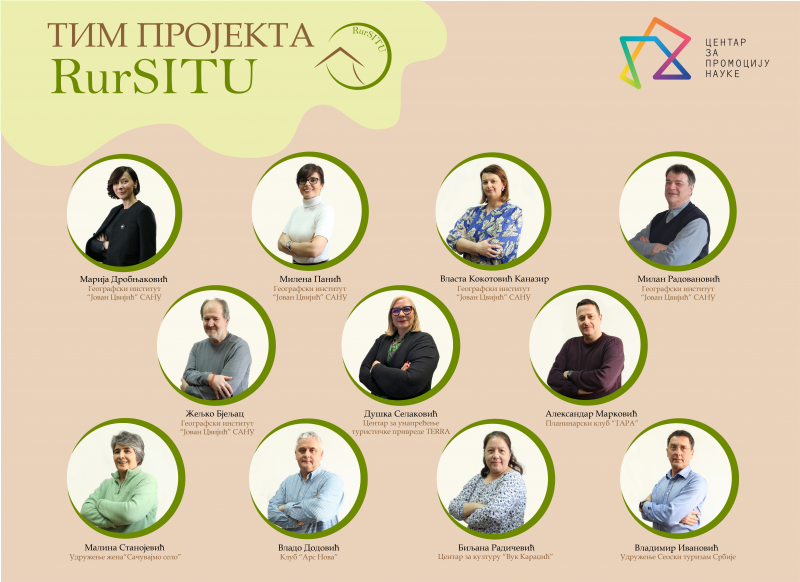
List of participants: Marija Drobnjaković (PI), Milena Panić, Vlasta Kokotović Kanazir, Milan Radovanović, Željko Bjeljac

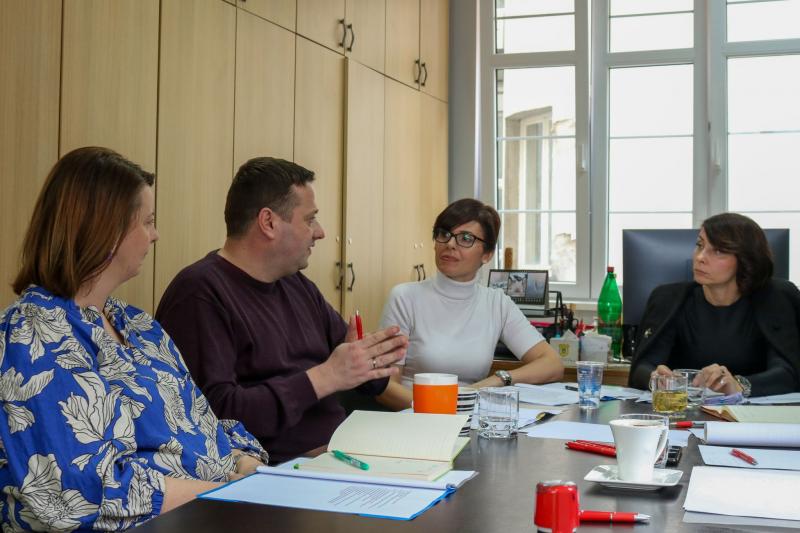
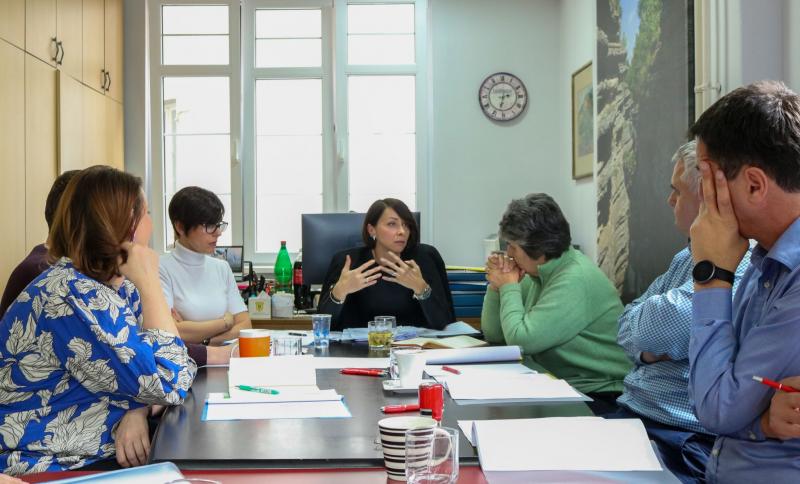
Geographical Institute “Jovan Cvijić” SASA is coordinator of the two-year project STAY OR LEAVE – spotlight on migration intentions in the rural areas (RurSITU). The RurSITU project is the one of the winners of the Public Call for funding citizen science research projects in 2023, which was announced by the Center for the Promotion of Science (CPN) and the Ministry of Science, Technological Development and Innovation, Serbia.

The RurSITU project is focused on the population’s motivation and intentions to stay or leave rural areas in Serbia. The stayers as ‘rural keepers’ are in the spotlight, as well as ‘catching‘ the causality between individuals’ perception of rural areas and local characteristics. The research will encompass seven municipalities (Šumadija and West Serbia Region) with similar natural and societal features.

Benefits of the RurSITUwill be: rural communities strengthening, targeting challenges in order to support the rural areas development, promoting of the rural areas and local communities, and mitigation of the existing negative processes that characterize rural areas in Serbia. Also, the project will contribute to enriching the scientific knowledge in the field of rural studies and migration studies in Serbia.

The RurSITU project, in accordance with the Public Call GNI 2023, implies the active participation of citizens in all phases of the research, striving to highlight the positive aspects of life in rural areas in Serbia.

https://rursitu.rs/index.html
https://www.cpn.edu.rs/javnipoziv-gni-2023/
https://nitra.gov.rs/cir/ministarstvo/vesti/urucena-priznana-projektima-gradanskih-naucnih-istrazivana

Date: 04.06.2024.
Source: Marija Drobnjaković (PI)


Call for papers: Special Issue of Hydrology

We would like to announce the open call for article submissions for upcoming Special Issue entitled Integrated Hydrological and Water Quality Approaches for Assessing and Mitigating Pollution in River, Lake and Reservoir Basins, in the academic journal Hydrology IF: 3.2, CiteScore 5.9.

Guest Editors:
Dr. Dejana Jakovljević, Geographical Institute “Jovan Cvijić” SASA
Dr. Dragana Milijašević Joksimović, Geographical Institute “Jovan Cvijić” SASA
Dr. Ana Milanović Pešić, Geographical Institute “Jovan Cvijić” SASA
Prof. Dr. Alina Bărbulescu, Transilvania University of Brașov, Department of Civil Engineering

Manuscript submission deadline: December 31, 2026

More information you may find at the following link https://www.mdpi.com/journal/hydrology/special_issues/W79PI26EMX

Date: March 6, 2026
Source: Dr. Dejana Jakovljević

Participation in the Presentation of the Completion of a Project on the Preservation of Traditional Heritage

Name: Participation in the Presentation of the Completion of a Project on the Preservation of Traditional Heritage.
Date: November 29, 2025
Venue: the Gallery of SANU, Belgrade, Serbia

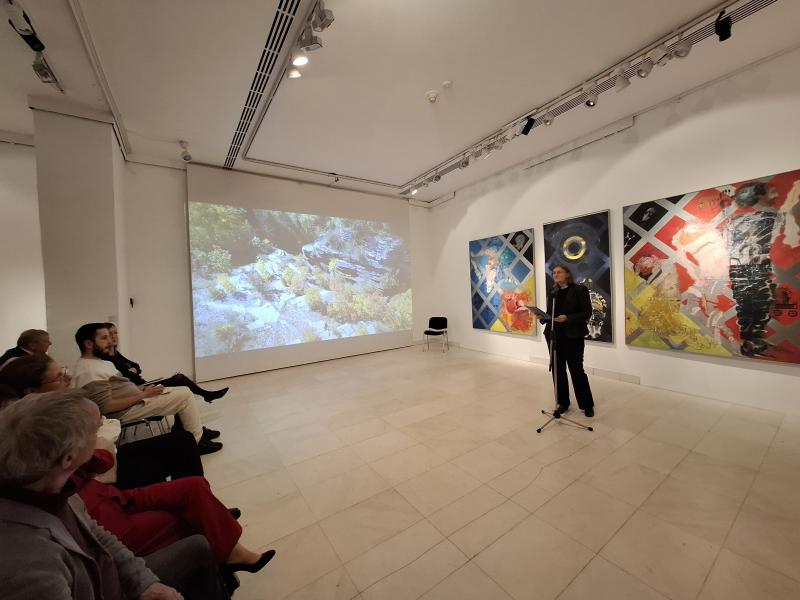
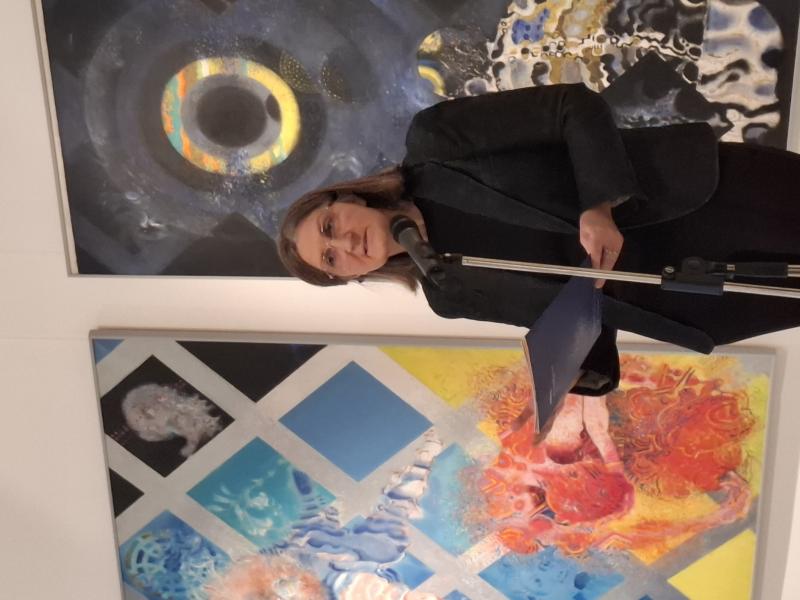
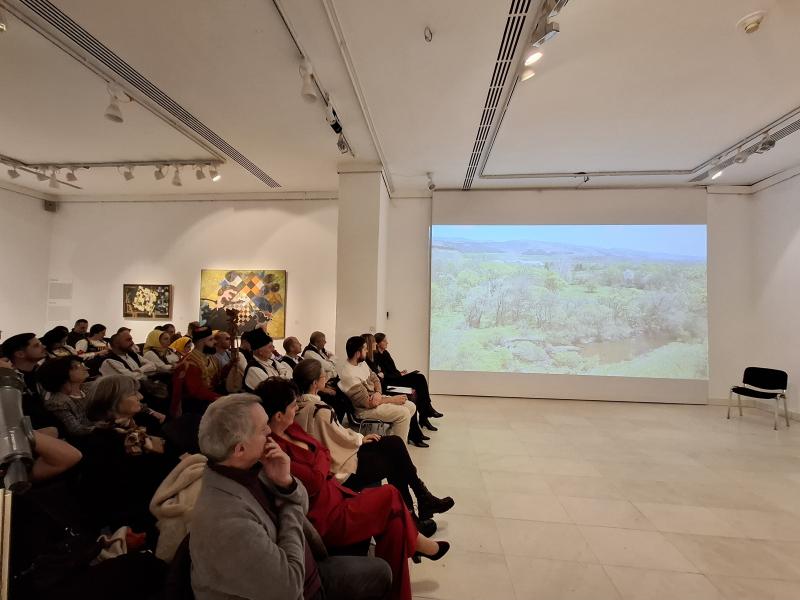
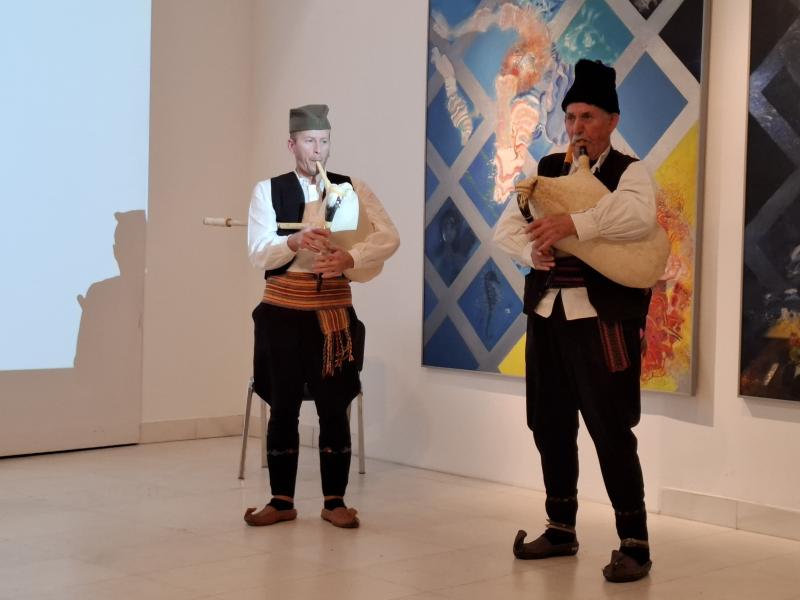
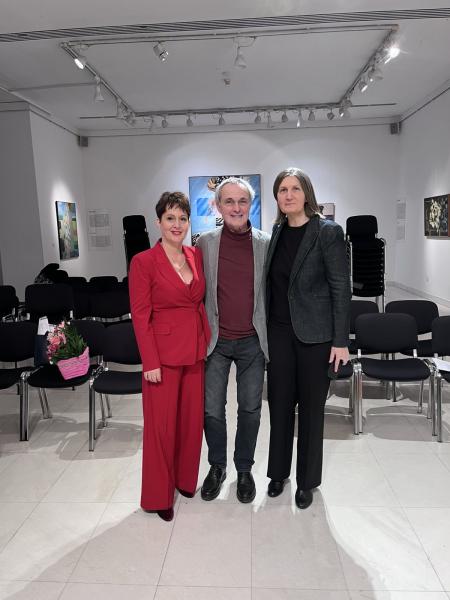
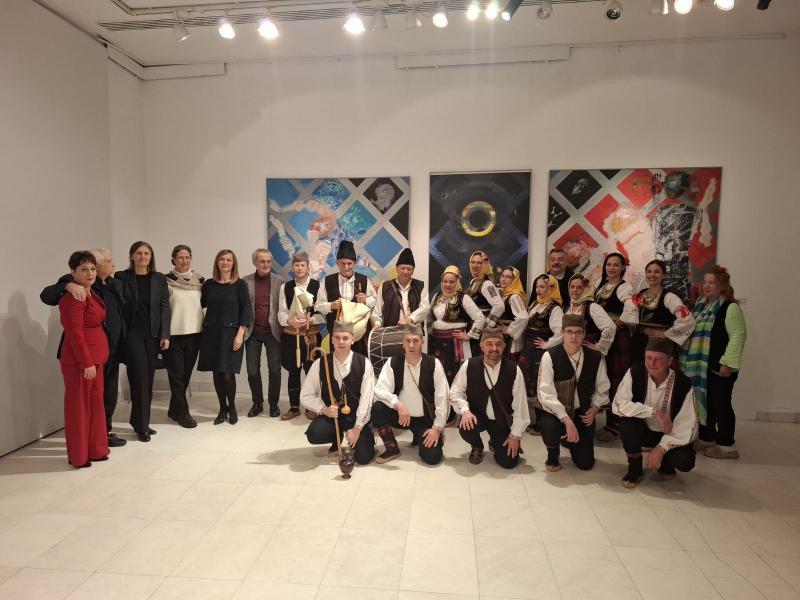
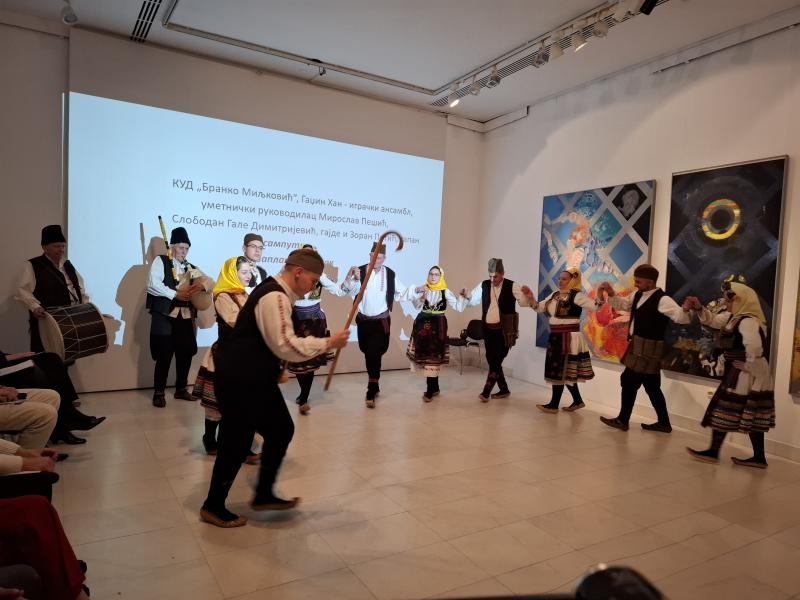
Dr Zlata Vuksanović-Macura took part in the presentation marking the completion of the three-year Individual Project of the Department of Fine Arts of the Serbian Academy of Sciences and Arts, entitled Preservation of Traditional Musical and Architectural Heritage in the Republic of Serbia. The presentation of the project results was held on Saturday, 29 November 2025, at the Gallery of SANU.

The project was implemented during the period 2023–2025 and builds on long-term interdisciplinary research conducted by architects and ethnomusicologists, focused on the study, documentation, and preservation of intangible and tangible cultural heritage in Serbia. Particular emphasis was placed on examining the interrelationship between traditional music and architecture as complementary components of cultural identity and ways of life across different geocultural regions. Within the programme, project results were presented through documentary video materials, presentations, as well as live musical and dance performances.

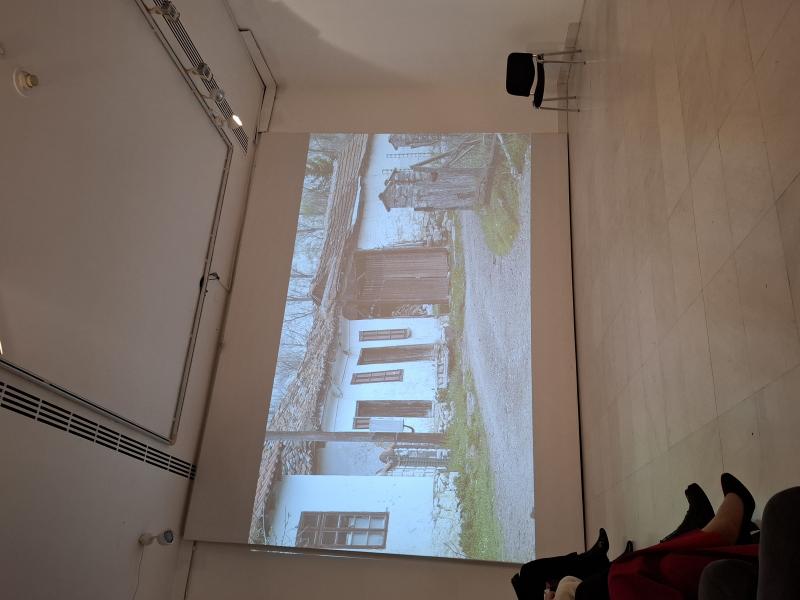
Dr Zlata Vuksanović-Macura presented part of the research findings related to the study of traditional architecture in the Stara Planina region, with a particular focus on the concept of an architectural reserve and the identification of architectural cores in the areas of Gornji Visok and Zabrđe. Her presentation was accompanied by the screening of documentary videos produced on the basis of field research, including interviews with local residents, experts, and stakeholders involved in heritage preservation and sustainable development processes in the area. Part of the project results has also been published in the leading international scientific journal Heritage, in the article “Preservation of Vernacular Cultural Landscape and Sustainable Tourism: A Case Study from the Western Carpatho-Balkan Region” (authors: Zlata Vuksanović-Macura, Gorica Ljubenov, and Tamara Gajić). Through this publication, the project’s findings have gained additional international visibility, particularly in the field of integrated protection of vernacular cultural landscapes.

The project was carried out by an interdisciplinary team consisting of: Academician Dr Jelena Jovanović, ethnomusicologist, Principal Research Fellow at the Institute of Musicology of SANU and member of the Department of Fine Arts (Project Leader); Dr Gorica Ljubenov, Dipl. Ing. Arch., Professor at the Academy of Applied and Artistic Studies – Higher School of Civil Engineering and Geodesy in Belgrade (Leader of the sub-project on architectural heritage); Dr Danka Lajić Mihajlović, ethnomusicologist, Research Professor at the Institute of Musicology of SANU; and Dr Zlata Vuksanović-Macura, Dipl. Ing. Arch., Senior Research Associate at the Geographical Institute “Jovan Cvijić” SANU, Belgrade.

The presented project results underscored the importance of an interdisciplinary and integrated approach to the protection of natural, tangible, and intangible heritage, as well as the potential of traditional culture and vernacular architecture in shaping sustainable development models in rural and peripheral areas of Serbia.

Photos:

Promotion of the monograph “Old Folk Sports, Games and Competitions – Preservation, Transmission of Knowledge and Presentation”

Name: Promotion of the monograph “Old Folk Sports, Games and Competitions – Preservation, Transmission of Knowledge and Presentation”.
Date: November 28, 2025
Venue: Museum of Jovan Cvijić, Belgrade
Organisers: Serbian Geographical Society, Museum of Jovan Cvijić

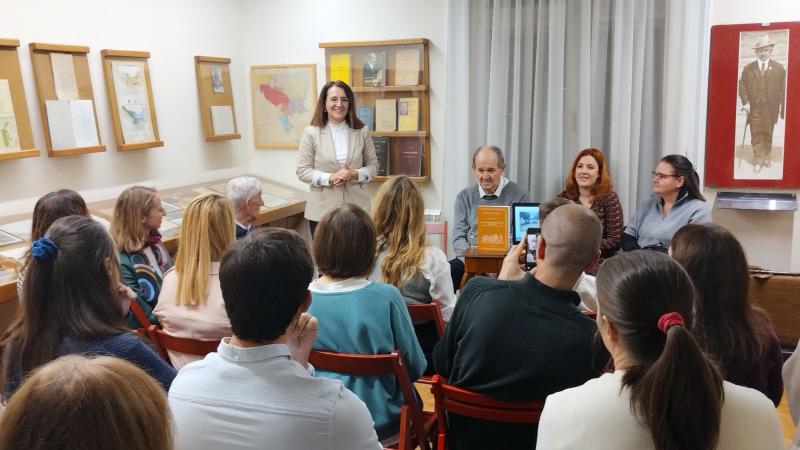
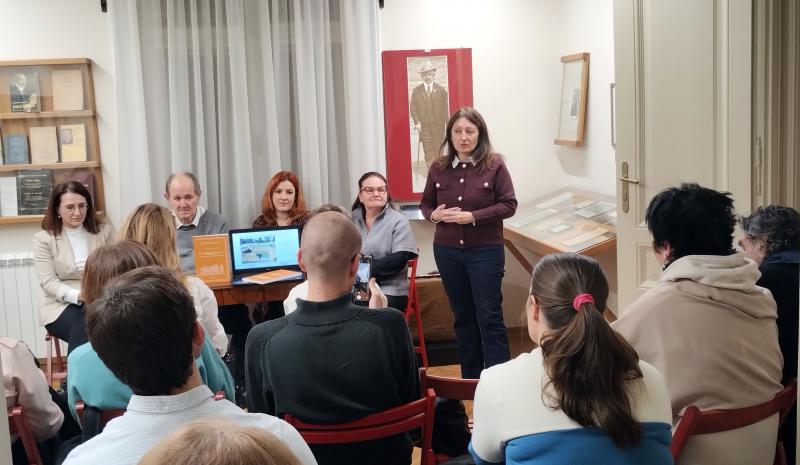
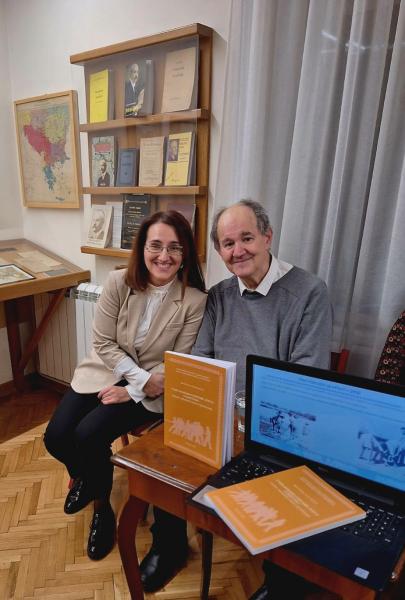
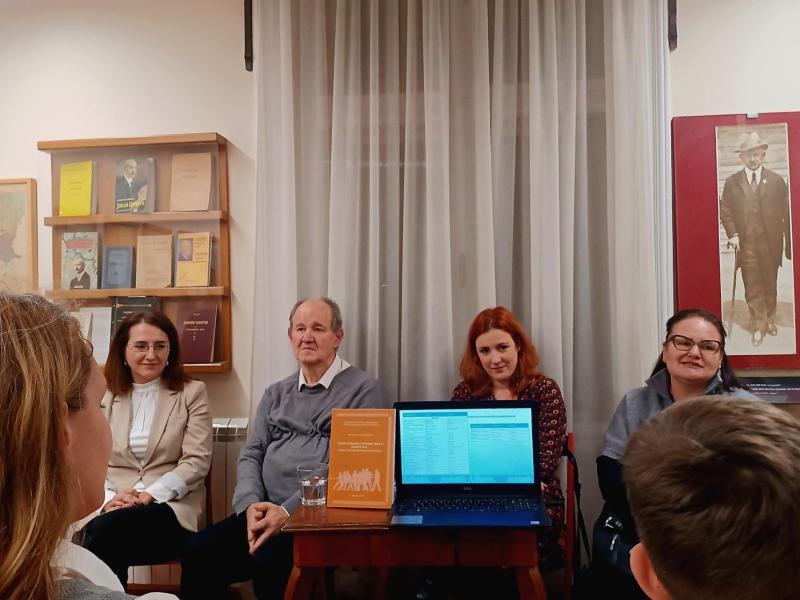
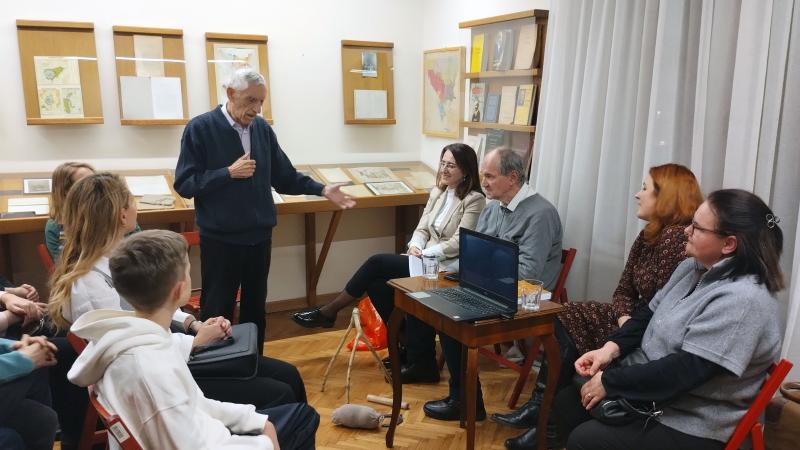
On November 28, 2025, the Museum of Jovan Cvijić hosted the promotion of the scientific monograph “Old Folk Sports, Games and Competitions – Preservation, Transmission of Knowledge and Presentation,” published as part of the Special Editions of the Geographical Institute “Jovan Cvijić” of the Serbian Academy of Sciences and Arts (SASA). The monograph was authored by Dr. Željko Bjeljac and Dr. Jovana Brankov, both associates of the Geographical Institute “Jovan Cvijić” SASA.

The event featured discussions with Dr. Aleksandra Terzić, editor of the monograph; Dr. Sanja Pavlović, reviewer of the manuscript; and the authors. Dr. Ana Milanović Pešić delivered the introductory speech. The promotion highlighted that the research aimed to enhance understanding of old folk sports and games and to facilitate their effective presentation through comprehensive analysis. The authors’ approach is distinguished by efforts to revitalize a gradually disappearing cultural heritage, while the manuscript promotes a deeper appreciation of the educational values and cultural significance of old folk sports and games.

Photos:

Updating the methods of demography teaching (2022-2025)

Catalog number: 1126

Аccreditation period: 2022 to 2025

Organizer: Geographical Institute “Jovan Cvijić” SANU

Authors: Dr Vlasta Kokotović Kanazir, Dr Marko Filipović

Lecturers: Dr Vlasta Kokotović Kanazir, Dr Marko Filipović, Dr Marko V. Milošević, Dr Milena Panić

Coordinator: Milena Panić

Duration: 1 day – 8 hours

Program overview:
https://zuov-katalog.rs/index.php?kataloski_broj=1126&action=page%2Fcatalog%2Fview

Priority area: Improvement of professional – methodical, pedagogical and psychological knowledge of teachers

General objective: Examination of contemporary demographic processes and phenomena and their effects at local, regional, national, and international levels.

Specific objectives:

  1. Analysis of current demographic processes;
  2. Revising the content, concepts, classifications related to demographic processes and phenomena;
  3. Demographic regionalization of the world and Serbia;
  4. Digital tools for demographic data analysis.

After the training, the participant will be able to:

  • Operationalizes general outcomes that treat demographic processes and phenomena;
  • Recognize the factors that influence the contemporary natural and migratory change;
  • Assess the key factors influencing global migration trends;
  • Interpret regional differences in the natural change n Serbia;
  • Revises the factors that influence the migration in Serbia;
  • Analyzes the effects of population policy measures on the example of countries and Serbia;
  • Finds relevant sources of data related to the population;
  • Uses digital tools for visualization and analysis of demographic trends.

Multilateral project “Geomorphological interpretation of photogrammetry and laser scanning data in the study of torrential watersheds

Project ID: DS-15

Project leader: Dr. Valentina Nikolova

Project coordinator in Serbia, employed at the Geographical Institute “Jovan Cvijić”, SASA: Dr. Ana M. Petrovic

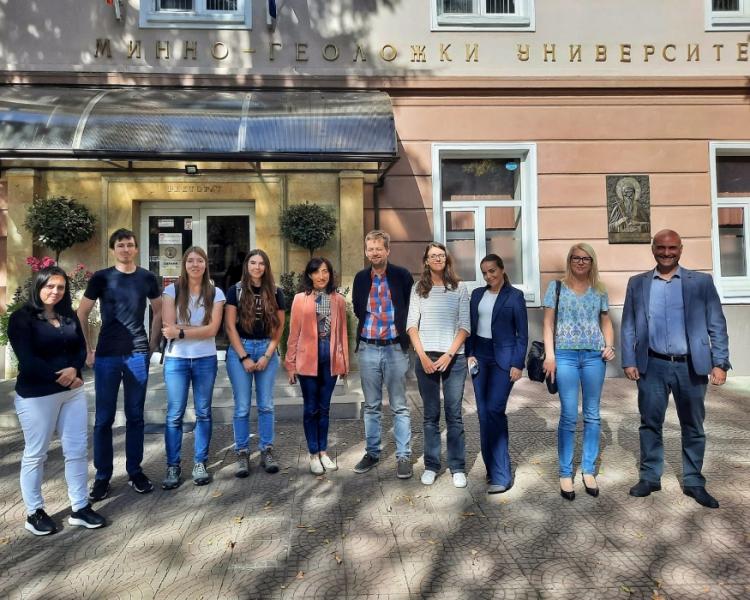
Project holders: University of Mining and Geology “St. Ivan Rilski” in Bulgaria, Geographical Institute “Jovan Cvijić” SASA, Geosciences Rennes of the University of Rennes, Global Change Research Institute of the Czech Academy of Sciences

Partner organization on the project in Serbia: Faculty of Geography, University of Belgrade

Project duration: from July 1, 2023 to June 30, 2025

Sponsors: Ministry of Science, Technological Development and Innovation of the Republic of Serbia, Program of international scientific cooperation of importance for the Republic of Serbia – Program for financing multilateral scientific and technological cooperation in the Danube region


The Geographical Institute “Jovan Cvijić” SASA is involved in the project “Geomorphological interpretation of photogrammetry and laser scanning data in the study of torrential basins”, which lasts 48 months. The implementation of the project in Serbia is financed by the Ministry of Science, Technological Development and Innovation of the Republic of Serbia.

The multilateral project brings together 6 academic and research organizations from Serbia, Bulgaria, France and the Czech Republic. The project focuses on the analysis of sediment granulation and orientation using classic and modern methods employing UAS (Unmanned Aerial System) and Terrestrial Laser Scanning (TLS) technologies. The general goal of the project is to support the investigation of torrential phenomena using multisensory methods and the mapping of hydro-geomorphological risks of torrential floods and debris flows in the watersheds of hilly-mountainous areas.